Updated
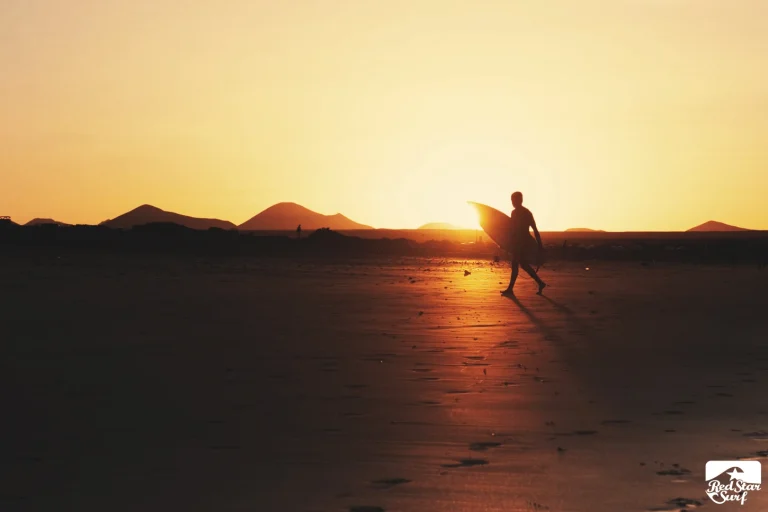
Some places you visit; others get under your skin. Filmmakers Lea Amiel and Nicolas Libersalle spent a week on Lanzarote for their series about the Canary Islands, “Islas Canarias – 7 stories”, and came away with a four-minute film that captures what we see in our guests every week. We call it the Lanzarote effect.
What the Lanzarote effect is
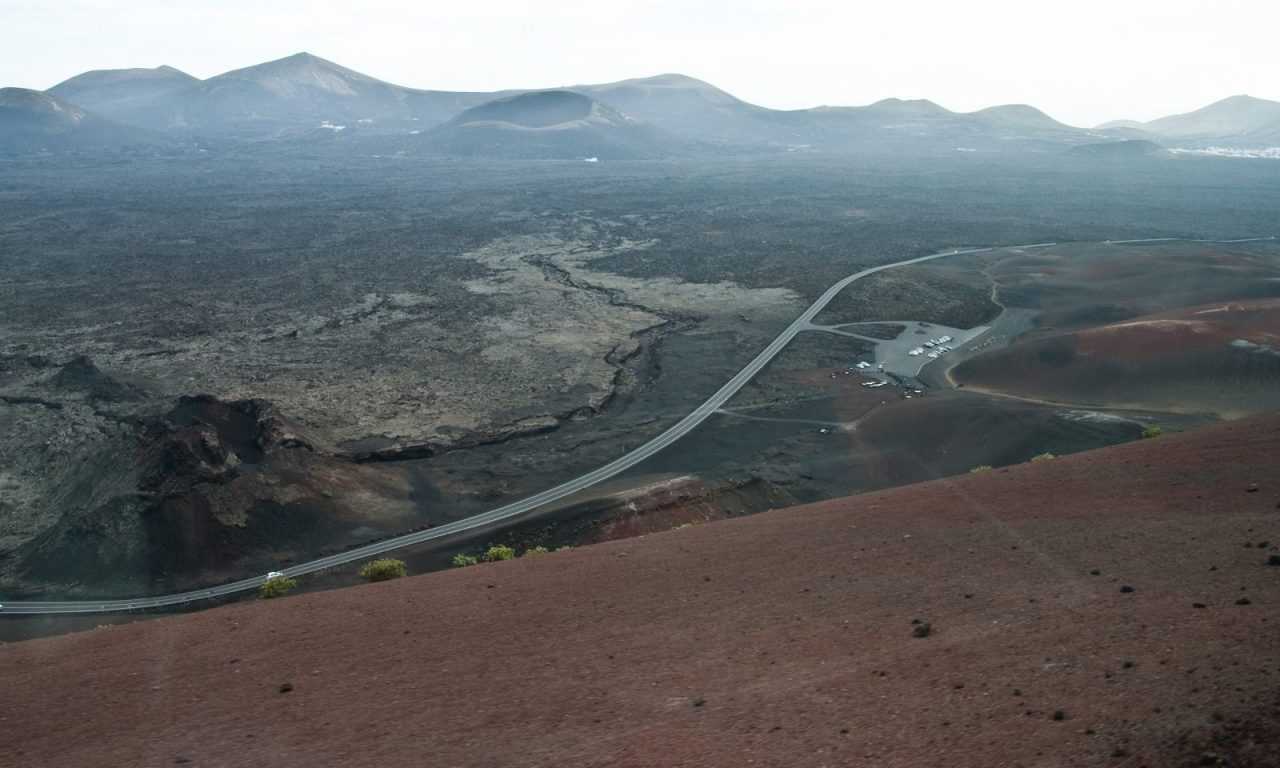
It usually starts on the second or third day. People arrive tired, check their phones on the beach, plan too much. Then the island slows them down: the wind that never quite stops, the volcanic landscapes that look like another planet, the silence of the villages after dark, a morning in the water followed by an afternoon doing nothing at all. By the end of the week they are talking about coming back before they have even left — and many do, year after year.
Part of it is the landscape, protected since 1993 as a UNESCO Biosphere Reserve and shaped by the artist César Manrique, who fought to keep the island low and white. Part of it is the ocean. And part of it is simply time: a week without a schedule, in a place where the tide matters more than the clock.
Feel it yourself
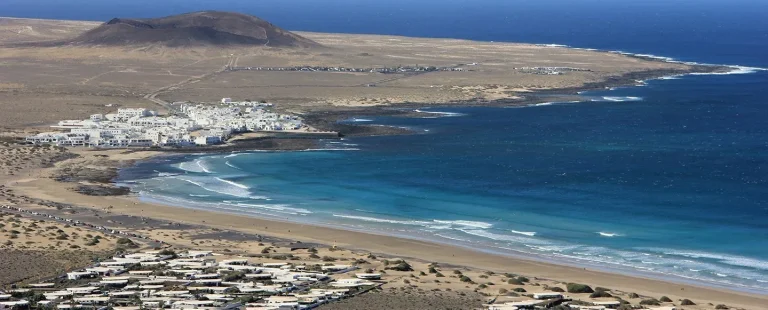
The easiest way to find out is to come. Base yourself in the fishing village of Caleta de Famara, start the day with a surf lesson or a week on a surf camp, and spend the afternoons exploring — our list of the best plans in Lanzarote and things to do on the island will get you started. If you are still deciding, here are five reasons to visit Lanzarote from the people who live here.
The Lanzarote effect — FAQ
Who made “The Lanzarote Effect”?
The short film was made by Lea Amiel and Nicolas Libersalle as part of their project about the Canary Islands, “Islas Canarias – 7 stories”, after spending a week on Lanzarote.
Why do people keep coming back to Lanzarote?
Mild weather all year, volcanic landscapes found nowhere else in Europe, quiet villages and the ocean. Many of our guests come back to Famara again and again.